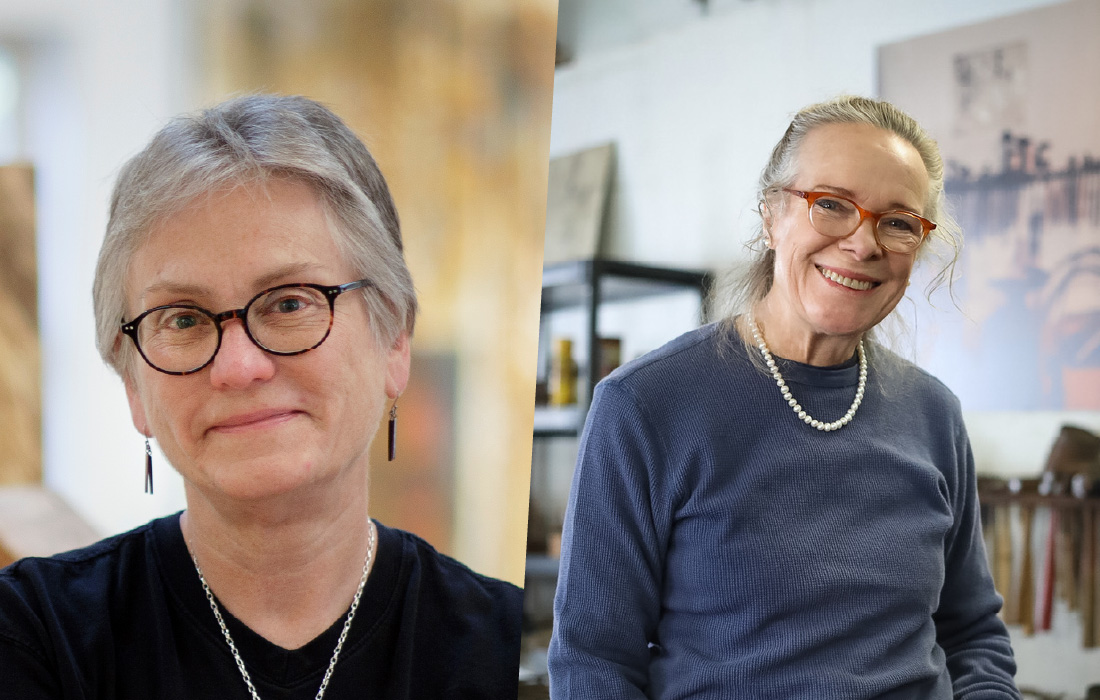
John and Robyn Horn built their collection on personal artistic inspiration, a devoted relationship with the craft community, and lifelong friendships. They started purchasing work with no intention of amassing an extensive craft collection.
Robyn Horn was exploring her own artistic pursuits and was in search of forms that inspired her. She began to immerse herself in a community of makers. The craft community is a welcoming and generous space where many artists share their knowledge. Learning from her peers allowed her to find her own voice as an artist. During their exploration of craft, the Horns met artists who would become lifelong friends. They acquired work that inspired them, and they recognized that purchasing art was an important way to support artists, giving them the financial means to keep working in the studio. Their home is filled with memories, stories, and beloved works of art.
Craft is deeply rooted in tradition. Historically, crafts were made by highly skilled artisans creating furniture, textiles, utilitarian ceramics, glassware, and silver service sets. Since the mid-19th century, artists have been pushing the materials beyond traditional techniques and elevating them to complex sculptural forms. In the 20th century, craft began to split into two directions: functional objects and nonfunctional works.
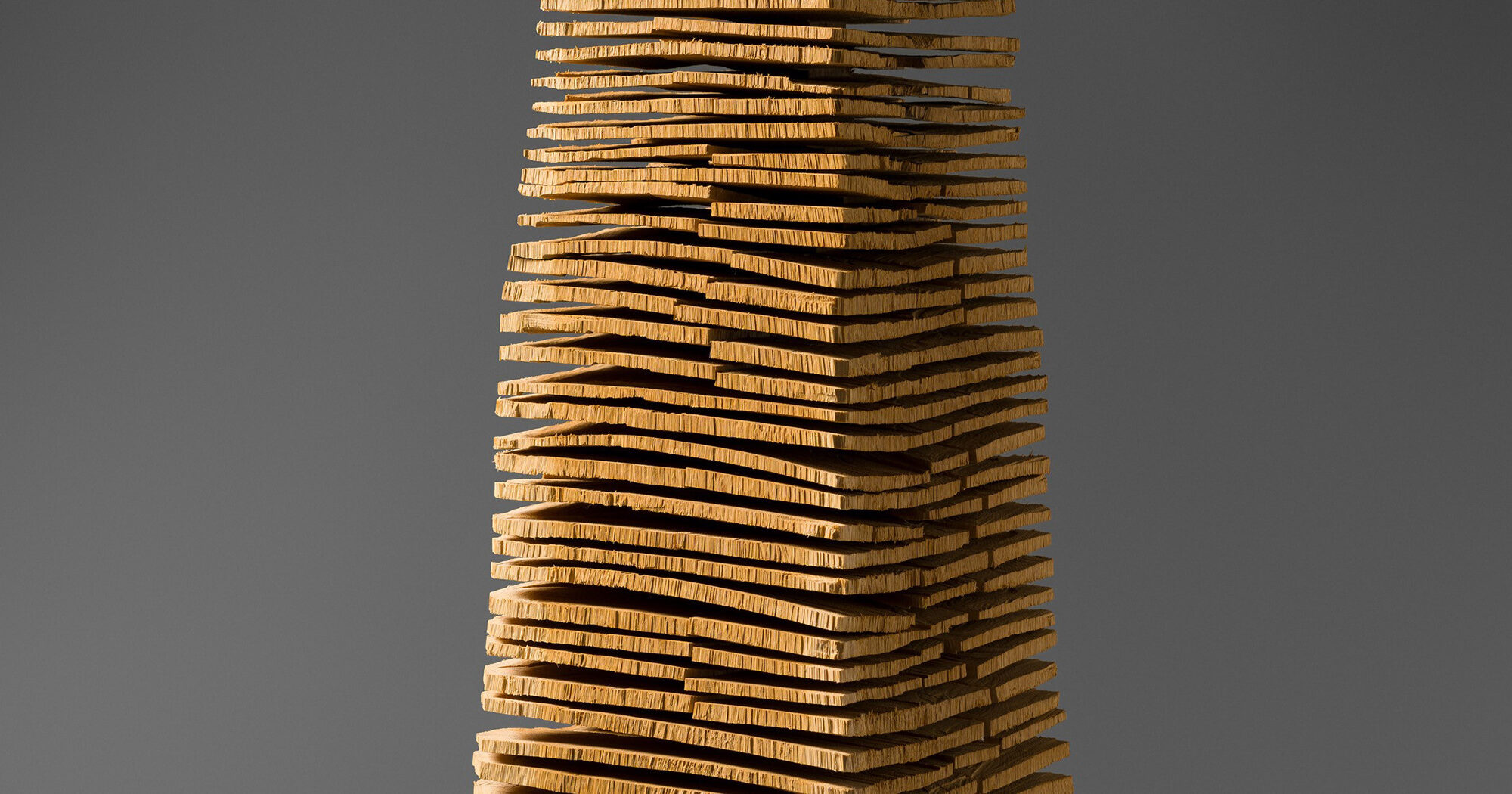
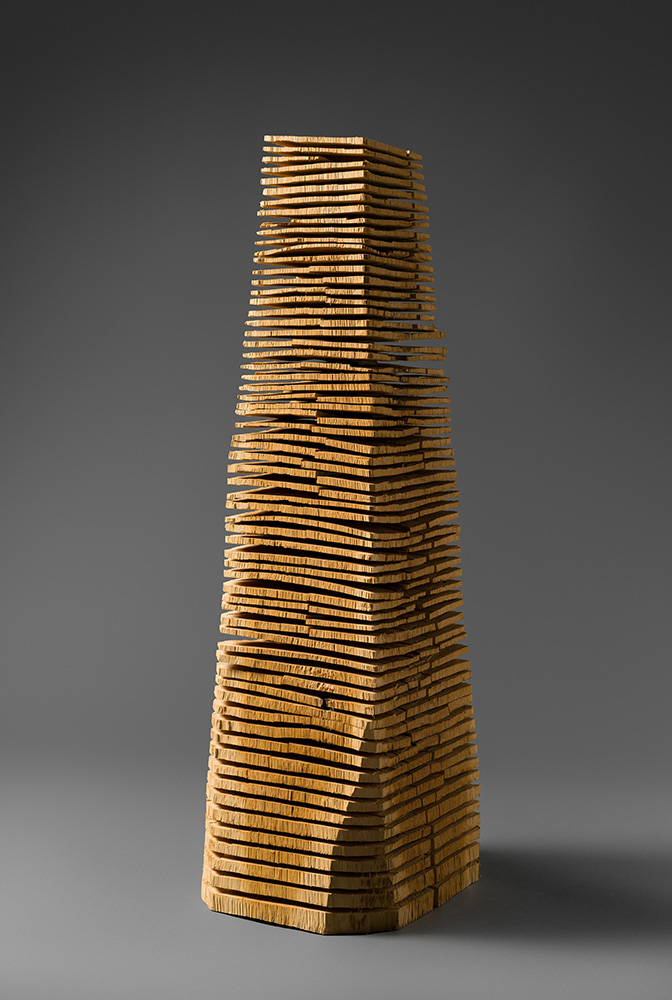
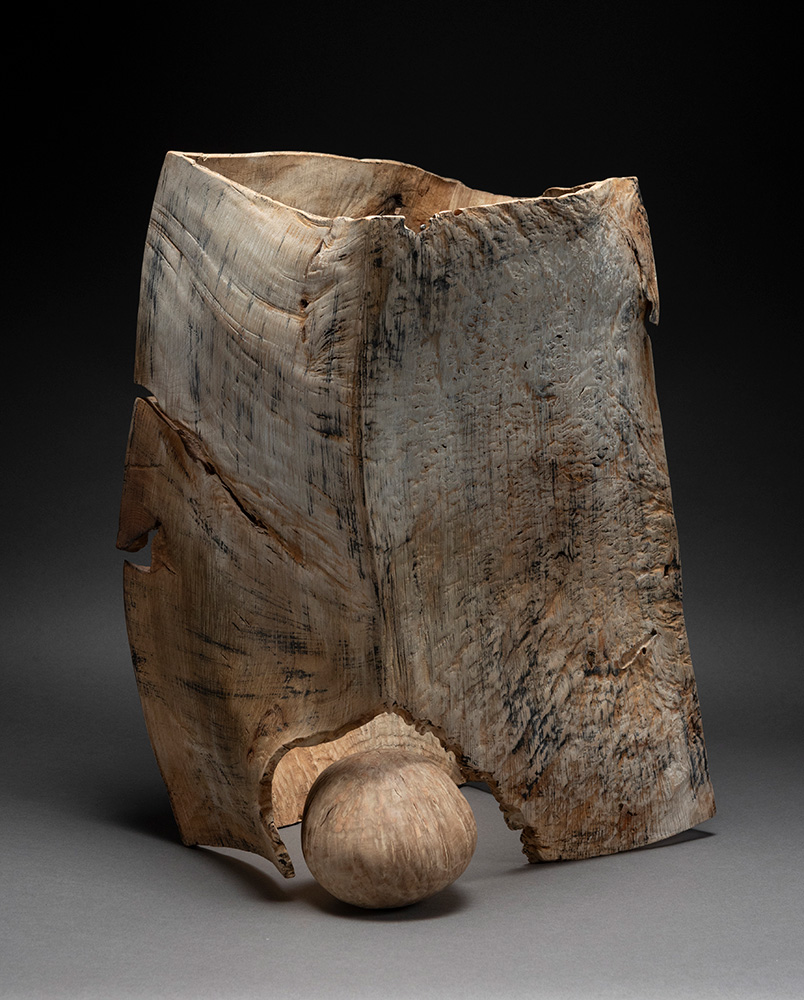
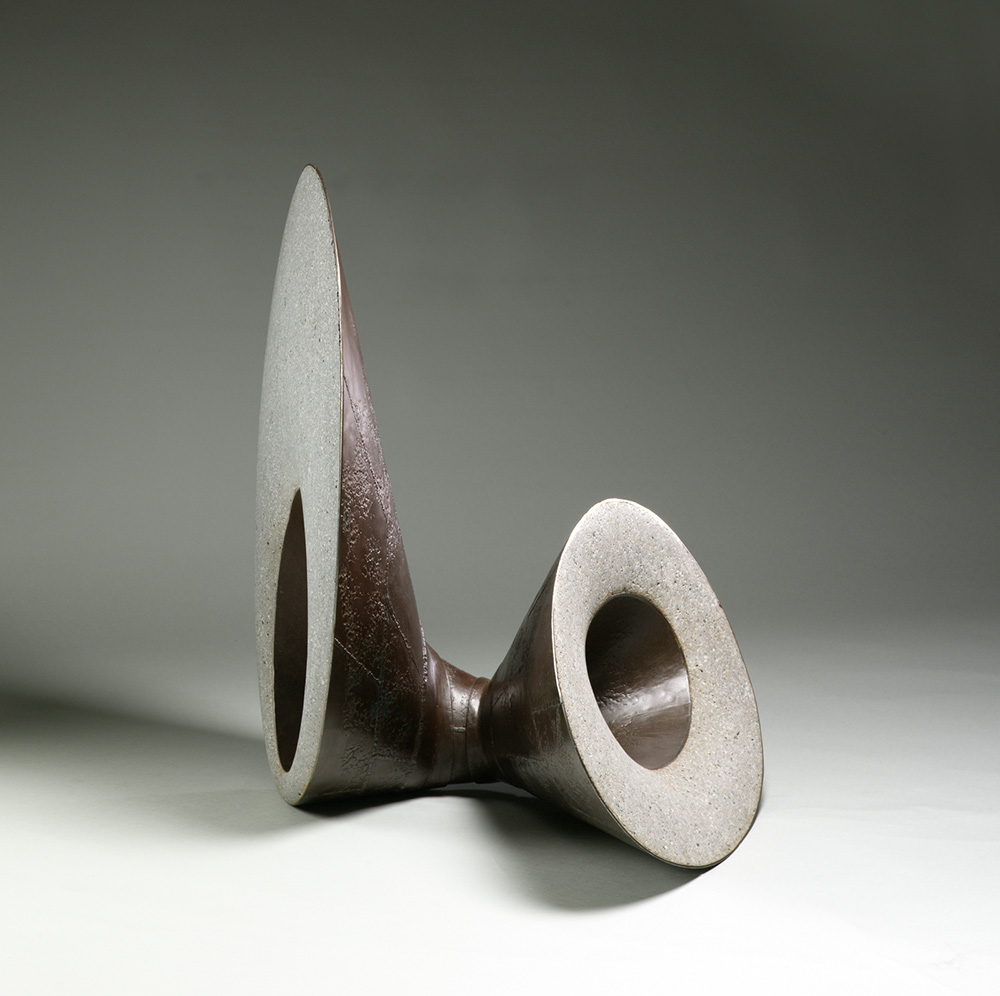
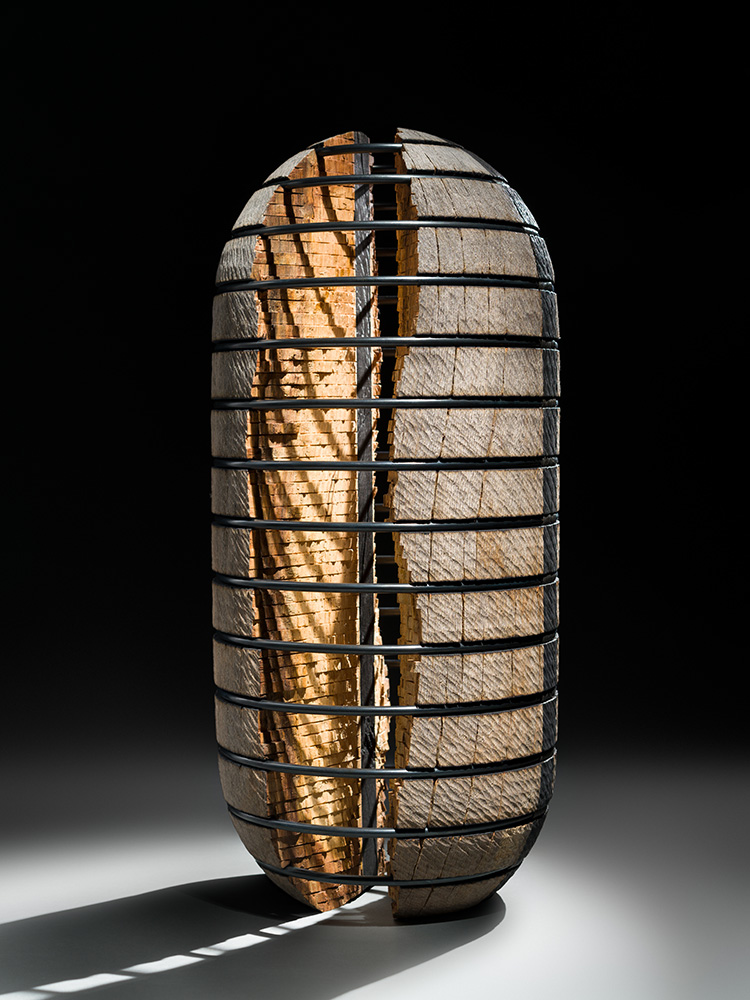
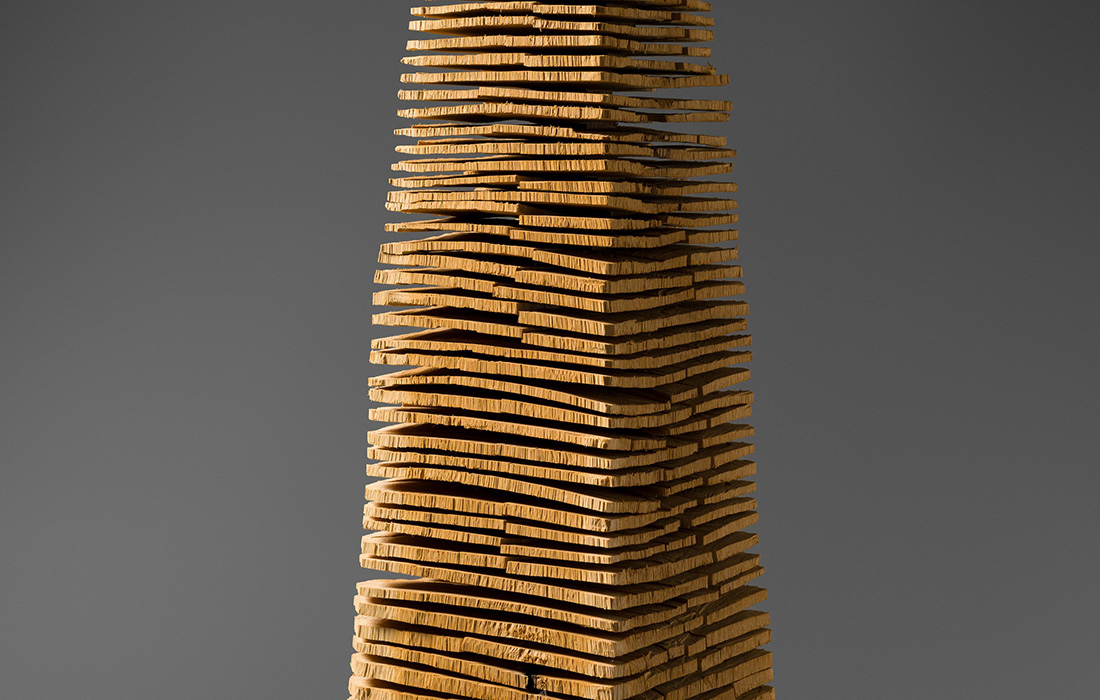
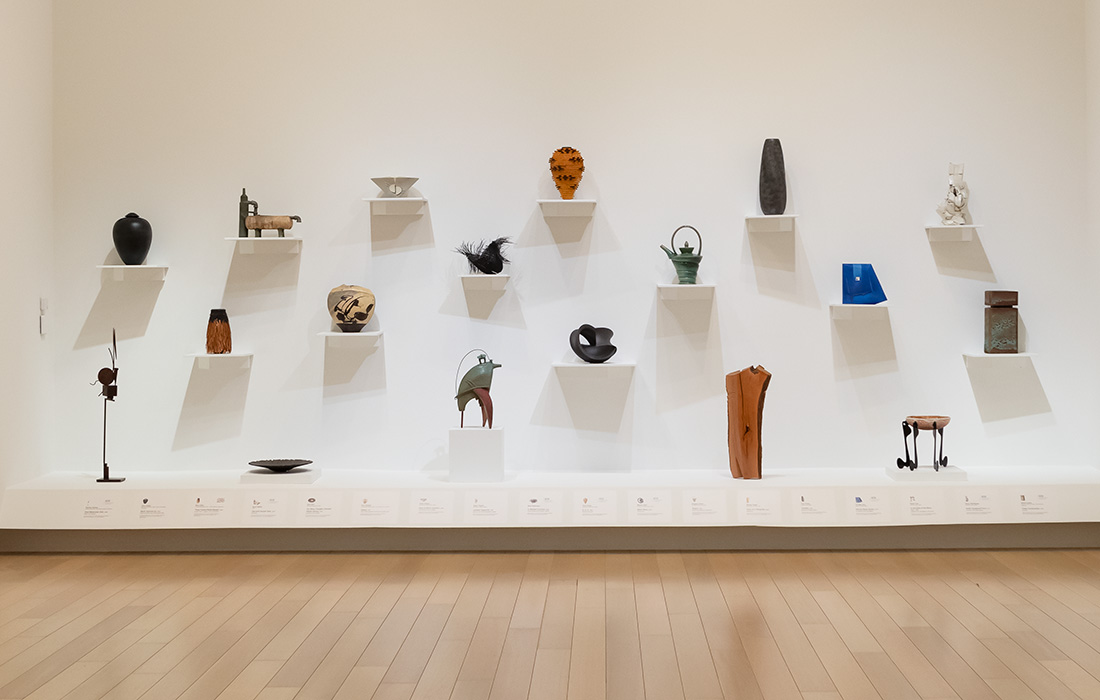
Most of the art in the Arkansas Museum of Fine Arts Foundation Collection from the Horns is non-functional, sculptural works, exploring how materials are pushed, explored, and reimagined into forms that embody mass, movement, and sophistication. Their collection ranges from the pioneers of the Studio Craft Movement in the 1950s and 1960s, with works by Toshiko Takaezu, Ed Rossbach, Stephen de Stabler, and Dale Chihuly, to the current voices of Hoss Haley, Michael Peterson, Todd Hoyer, Thomas Spleth, Mary Giles, and more.